
1895–1915
Art Nouveau
Whiplash curves, floral motifs, and iridescent art glass.
History
Art Nouveau brought the natural world indoors. Designers drew on vines, blossoms, dragonflies, and the female form, translating them into the era's signature 'whiplash' curve — a long, asymmetrical line that animated everything from a lamp base to a shade rim.
The period overlaps with the rise of American art glass. Iridescent and opalescent shades, leaded floral panels, and richly colored cased glass turned lighting into sculpture. While the grandest examples are studio pieces, the vocabulary trickled into mass-market fixtures through floral-cast brass arms and tinted glass shades.
Because the look is so distinctive, the giveaways are the line and the glass: a true Art Nouveau fixture moves — nothing is straight or strictly symmetrical — and its glass carries depth and color rather than the clear etching of the Victorian parlor.
Common forms
- Floral-arm chandeliers
- Leaded-glass pendants
- Sculptural figural wall sconces
- Newel and table fixtures with art glass
From the historical record
Period objects and interiors
The illustrations above make the forms easier to read. These documented objects and rooms show how the same visual language appeared in surviving fixtures and period use.

c. 1905
Louis Comfort Tiffany table lamp
The leaded floral glass, irregular natural outline, and richly worked bronze base show how completely Art Nouveau joined ornament to organic form.
Photograph by Jim Heaphy (Cullen328), de Young Museum. CC BY-SA 3.0. Source at Wikimedia Commons.
Catalogs featuring this style
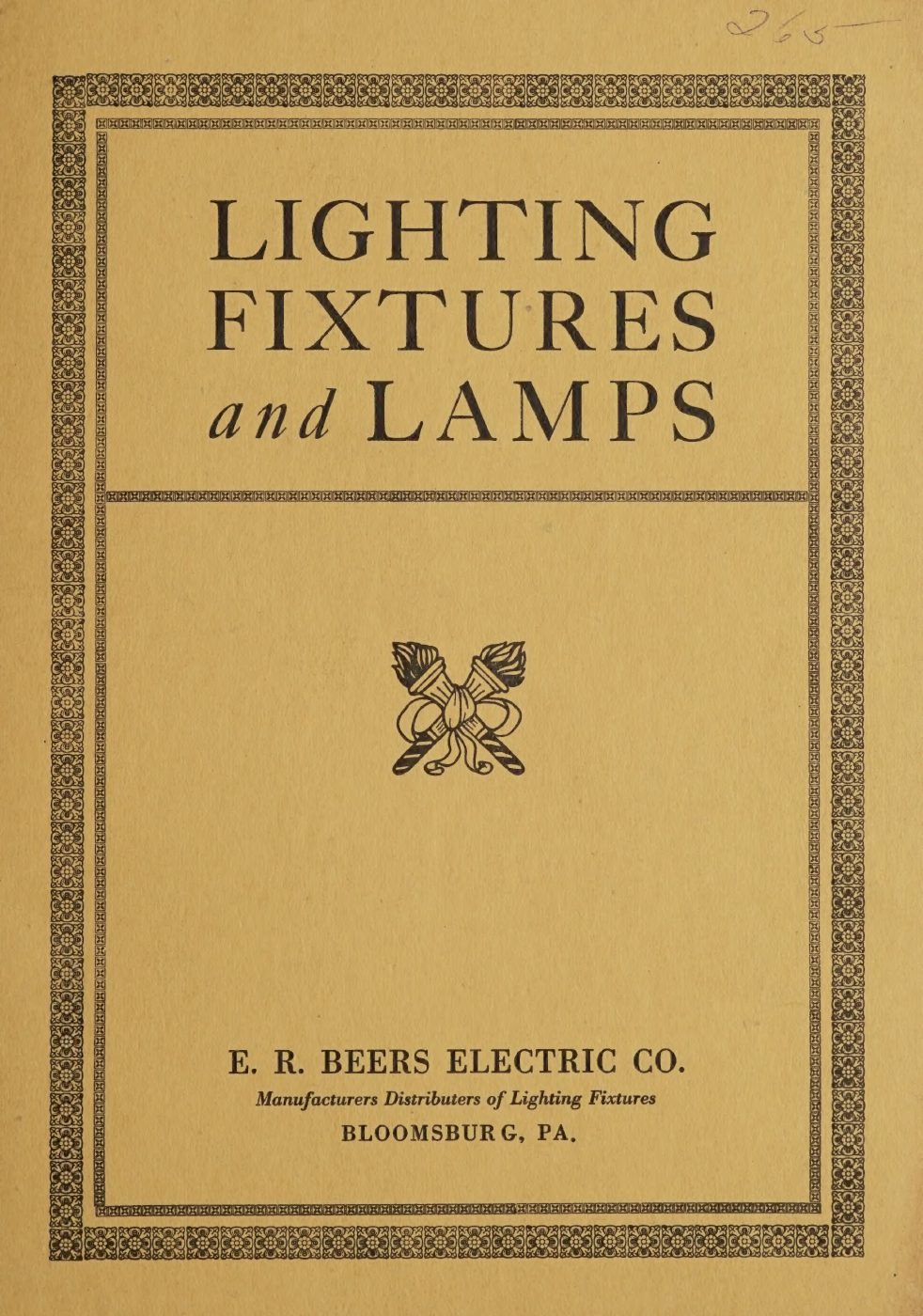
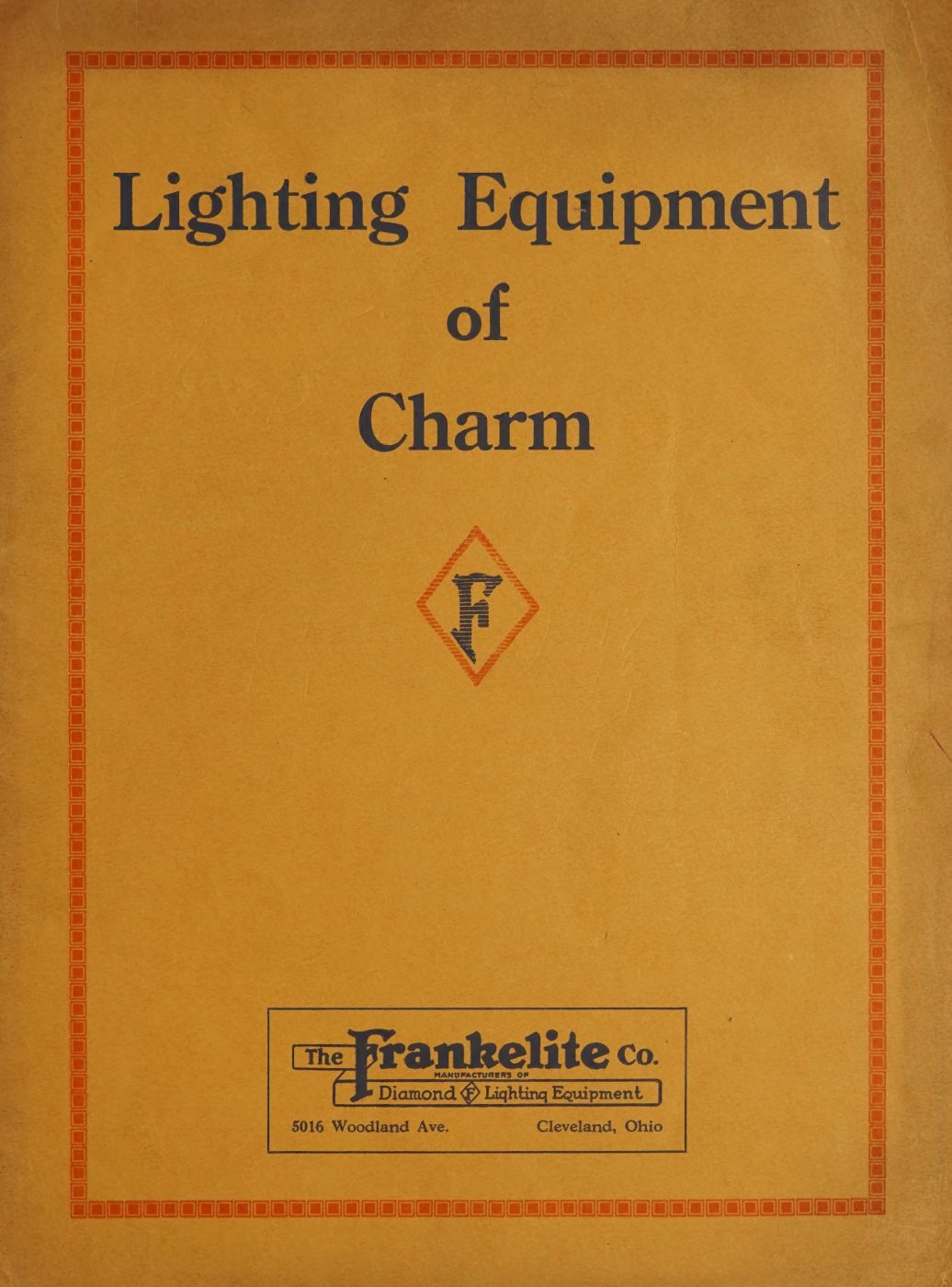
Shop art nouveau fixtures
All fixtures →As an Amazon Associate, Old House Lights earns from qualifying purchases. Prices and availability are shown on Amazon and may change.