
1925–1940
Art Deco
Geometric chrome and nickel, stepped forms, and frosted slip-shade glass.
History
Art Deco arrived with the machine age and a taste for speed, symmetry, and gleaming metal. Lighting traded warm brass for chrome, nickel, and aluminum, and traded organic curves for stepped ziggurats, sunbursts, chevrons, and skyscraper silhouettes.
The era's defining glass is the slip shade — a flat or curved panel of frosted, molded glass that slips into a metal frame, often decorated with geometric or stylized floral reliefs and sometimes tinted at the edges. Slip-shade pendants and sconces are among the most actively collected American fixtures, and the dossier evidence shows period buyers specifically hunting matching slip shades.
Dating a Deco fixture leans on finish and form: original nickel and chrome plating ages to a soft, slightly clouded sheen, frames are geometric and machined-looking, and authentic slip shades carry crisp molded patterns with the faint tooling marks of period glass.
Common forms
- Slip-shade pendants and 'shower' fixtures
- Geometric flush and semi-flush ceiling fixtures
- Slip-shade and torpedo wall sconces
- Skyscraper-form chandeliers
From the historical record
Period objects and interiors
The illustrations above make the forms easier to read. These documented objects and rooms show how the same visual language appeared in surviving fixtures and period use.
.jpg)
building completed 1936
Art Deco ceiling light, Kansas City Music Hall
Layered radial geometry and luminous patterned glass make the ceiling plane itself part of the fixture—an emphatically architectural Deco approach.
Photograph by Dean Hochman. CC BY 2.0. Source at Wikimedia Commons.
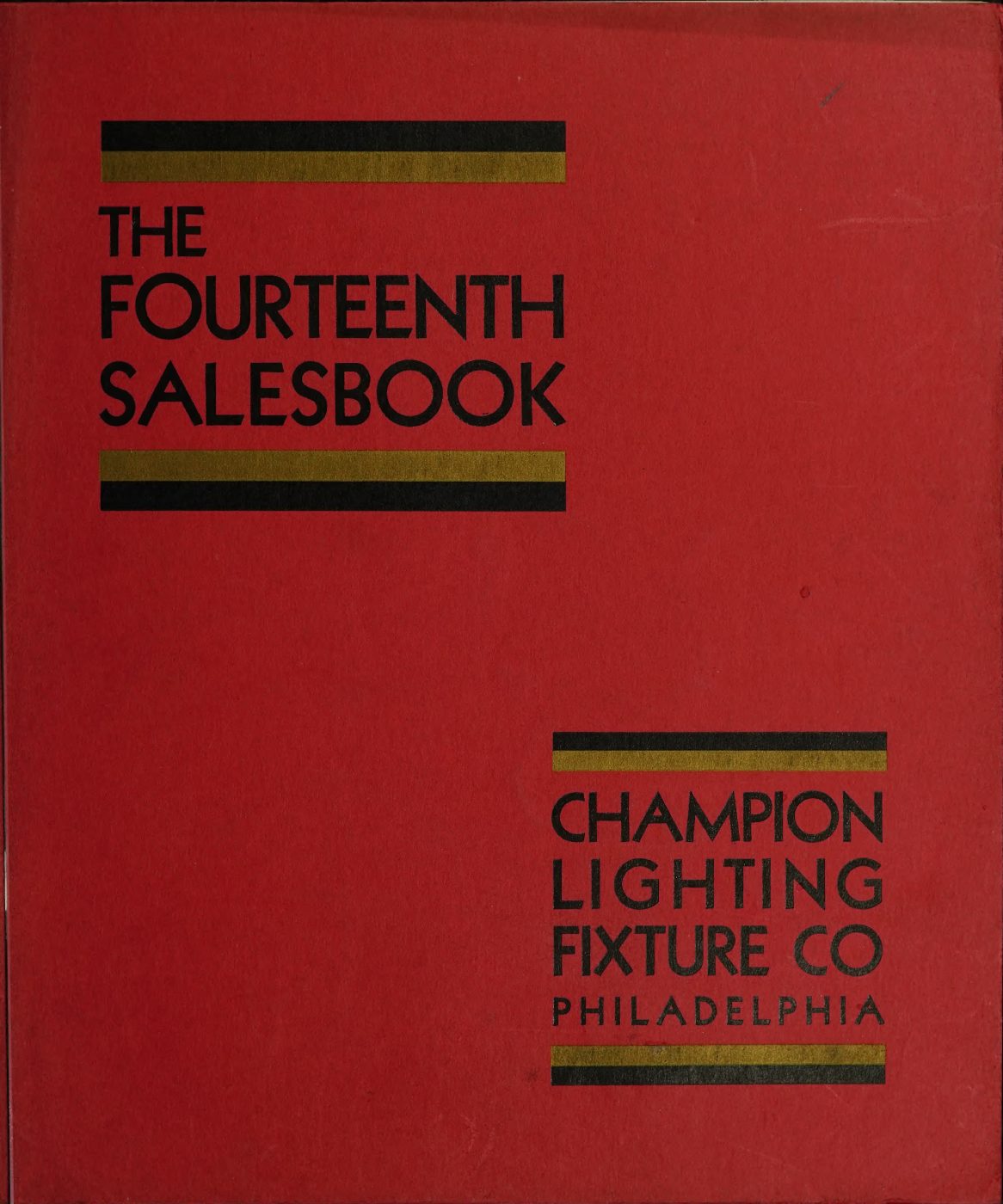
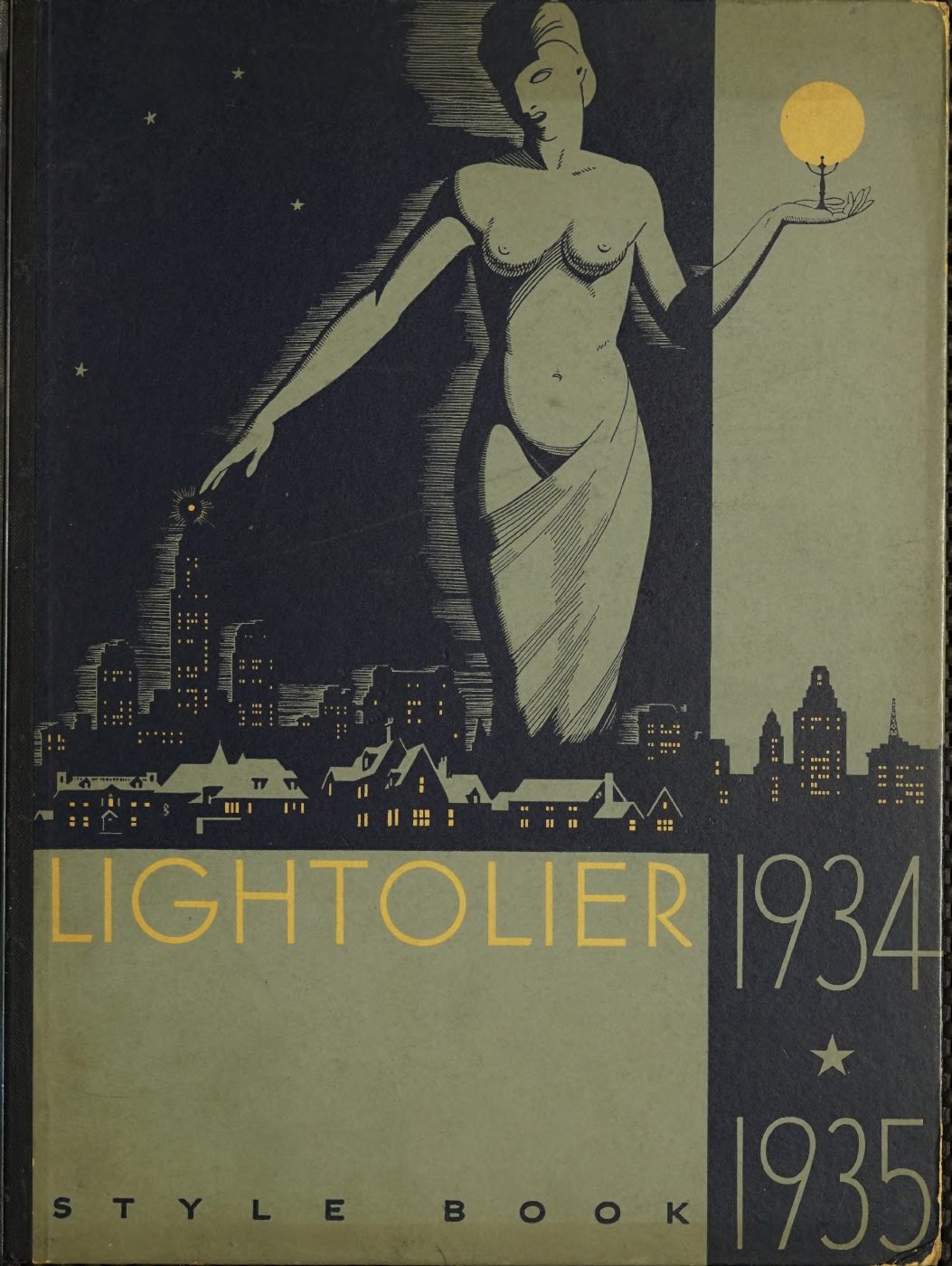
Catalogs featuring this style
Shop art deco fixtures
All fixtures → Amazon pick
Semi-flush mount · Inspired by c. 1932
Art Deco Frosted-Glass Ceiling Light
A tiered frosted-glass shade in a vintage-gold frame, capturing the stepped geometry of 1930s ceiling fixtures.
Amazon pickPendant · Art Deco-inspired
Art Deco Aged-Brass Cone Pendant
A frosted-glass cone pendant in aged brass and black with a crisp, graphic Deco presence.
Amazon pickFlush mount · Deco-revival form
Brass Star Glass Ceiling Light
A compact brass-and-glass star fixture with the faceted geometry and sparkle of a Deco-revival ceiling light.
As an Amazon Associate, Old House Lights earns from qualifying purchases. Prices and availability are shown on Amazon and may change.