
1900–1920
Mission & Arts & Crafts
Straight lines, hammered metal, and amber slag or mica shades.
History
The Arts & Crafts movement rejected machine ornament in favor of honest materials and visible handwork, and its lighting followed suit. Fixtures became rectilinear and lantern-like, built from hammered copper, patinated bronze, or quarter-sawn oak, with the rivets and seams left proudly on display.
Glass changed too. Out went the etched and frosted shades of the parlor; in came amber and caramel slag glass, leaded panels, and thin sheets of mica that turned a bare bulb into a warm, golden glow. These materials suited the bungalow's earthy palette and the movement's belief that a light should feel handmade.
Because Craftsman fixtures were comparatively simple, condition and material tell the story: genuine hammered finishes show irregular, hand-struck marks, real mica ambers with age, and original slag glass carries the streaked, opaque character that modern reproductions rarely match.
Common forms
- Chain-hung lantern pendants
- Flush ceiling lanterns
- Mica-shade wall sconces
- Newel-post lanterns
Catalogs featuring this style
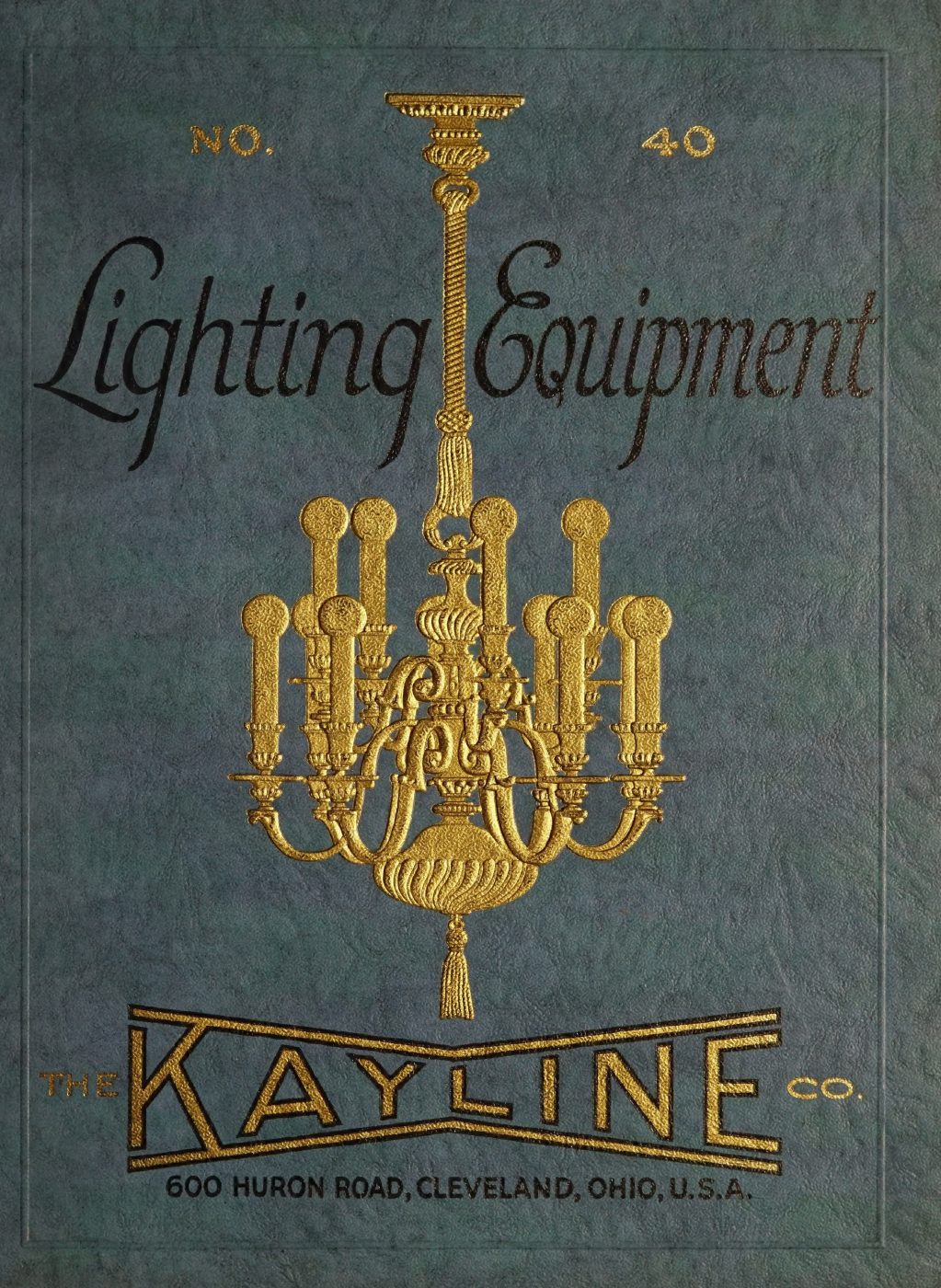
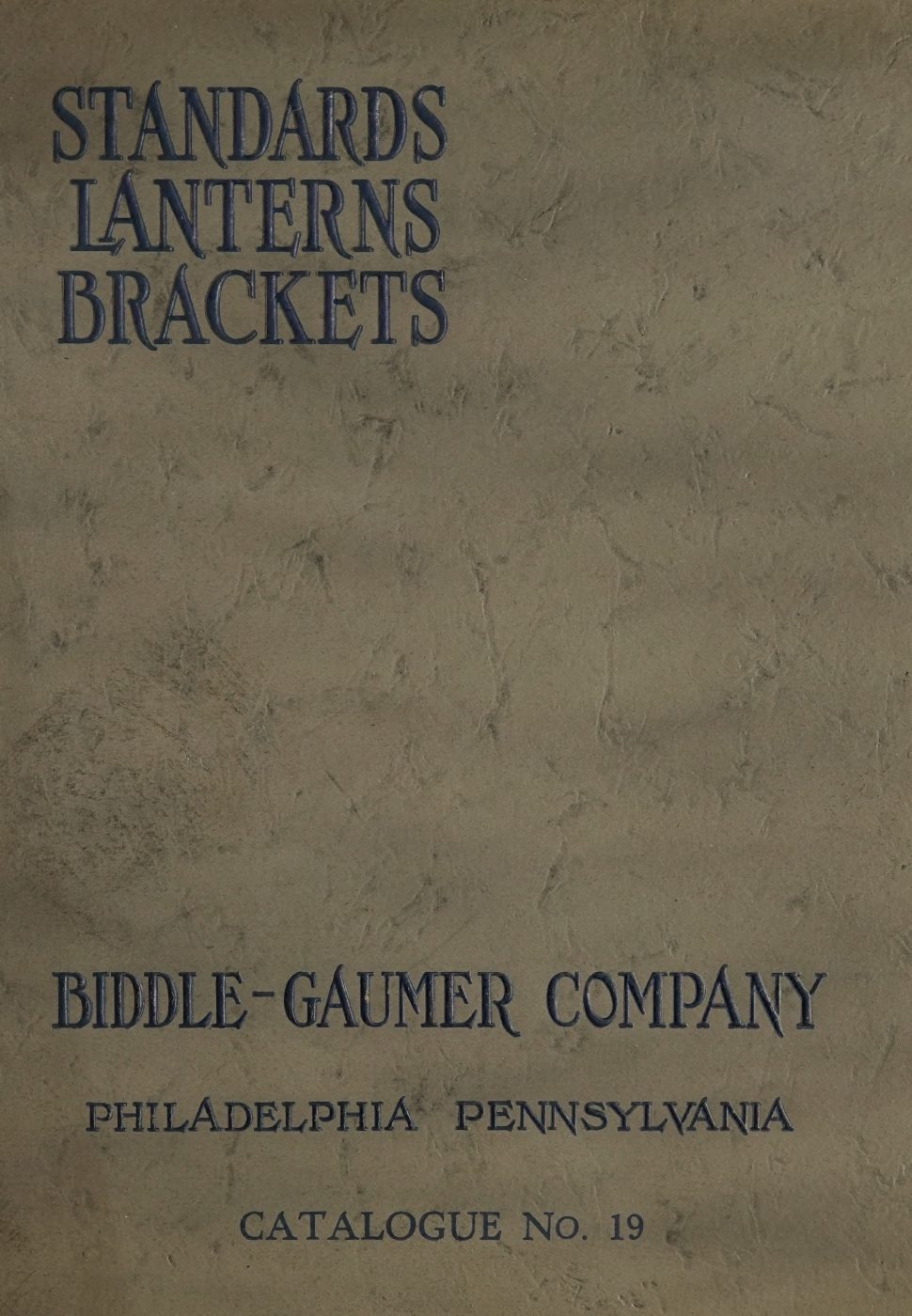
Shop mission & arts & crafts fixtures
All fixtures → Amazon pick
Pendant · Inspired by c. 1912
Mission Mica Mini Pendant
An aged-bronze mini pendant with a warm tan mica shade and the grounded proportions of Mission lighting.
Amazon pickFlush mount · Mission-inspired
Mission Arrowhead Mica Flush-Mount Light
A warm amber mica ceiling light with rectilinear Mission geometry and a low profile for halls or bedrooms.
Amazon pickInverted pendant · Arts & Crafts-inspired
Mission Pinecone Inverted Pendant
A large inverted stained-glass pendant with pinecone imagery, warm glass, and a chain-hung Mission profile.
As an Amazon Associate, Old House Lights earns from qualifying purchases. Prices and availability are shown on Amazon and may change.