
1910–1935
Pan & Slip-Shade Fixtures
Center-pan fixtures with radiating arms and interchangeable molded shades.
History
The pan fixture is one of the most common American ceiling lights of the 1910s–1930s, and one of the most asked-about by restorers. A shallow central 'pan' or disc holds three to five short arms that curve down to sockets, each fitted with a molded glass slip shade. The form was inexpensive to produce and endlessly varied in its castings and glass.
Pan fixtures bridge styles: the metalwork can be Colonial Revival, mildly Art Nouveau, or crisply Deco, while the slip shades range from floral frosted glass to bold geometric panels. Because the shades simply slip into the holders, mismatched and replacement shades are extremely common — which is exactly why collectors trade so actively in single matching shades.
When identifying a pan light, read the pan casting and the shade pattern together. Original shades show period molding and a consistent set; the central pan often carries a maker's pattern number on the back that can be matched against the era's catalogs.
Common forms
- Three- and five-light pan ceiling fixtures
- Single-shade pan flush mounts
- Slip-shade pendant 'showers'
- Matching pan sconces
From the historical record
Period objects and interiors
The illustrations above make the forms easier to read. These documented objects and rooms show how the same visual language appeared in surviving fixtures and period use.
.jpg)
building completed 1936
Art Deco ceiling light, Kansas City Music Hall
Layered radial geometry and luminous patterned glass make the ceiling plane itself part of the fixture—an emphatically architectural Deco approach.
Photograph by Dean Hochman. CC BY 2.0. Source at Wikimedia Commons.
Catalogs featuring this style
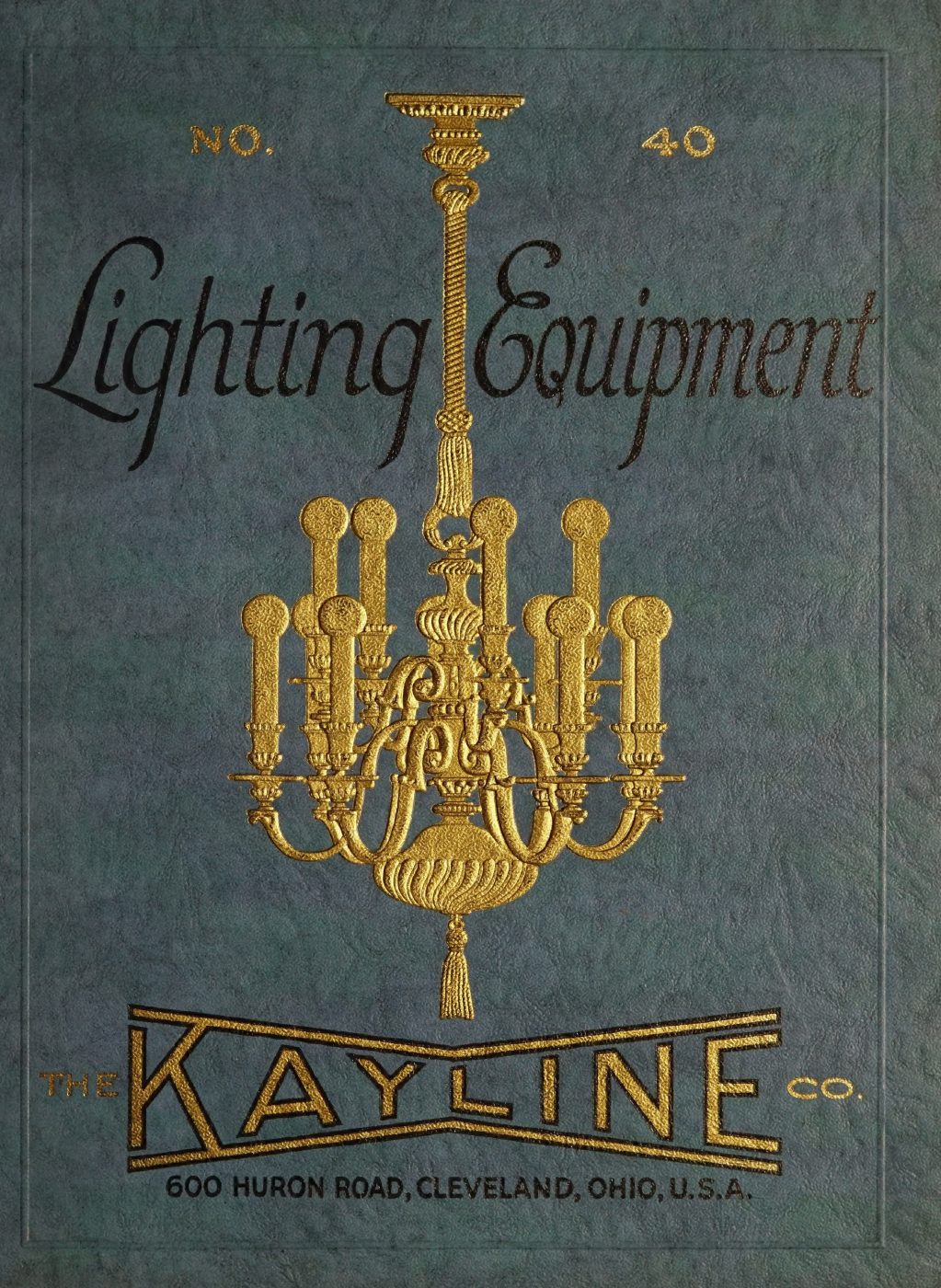
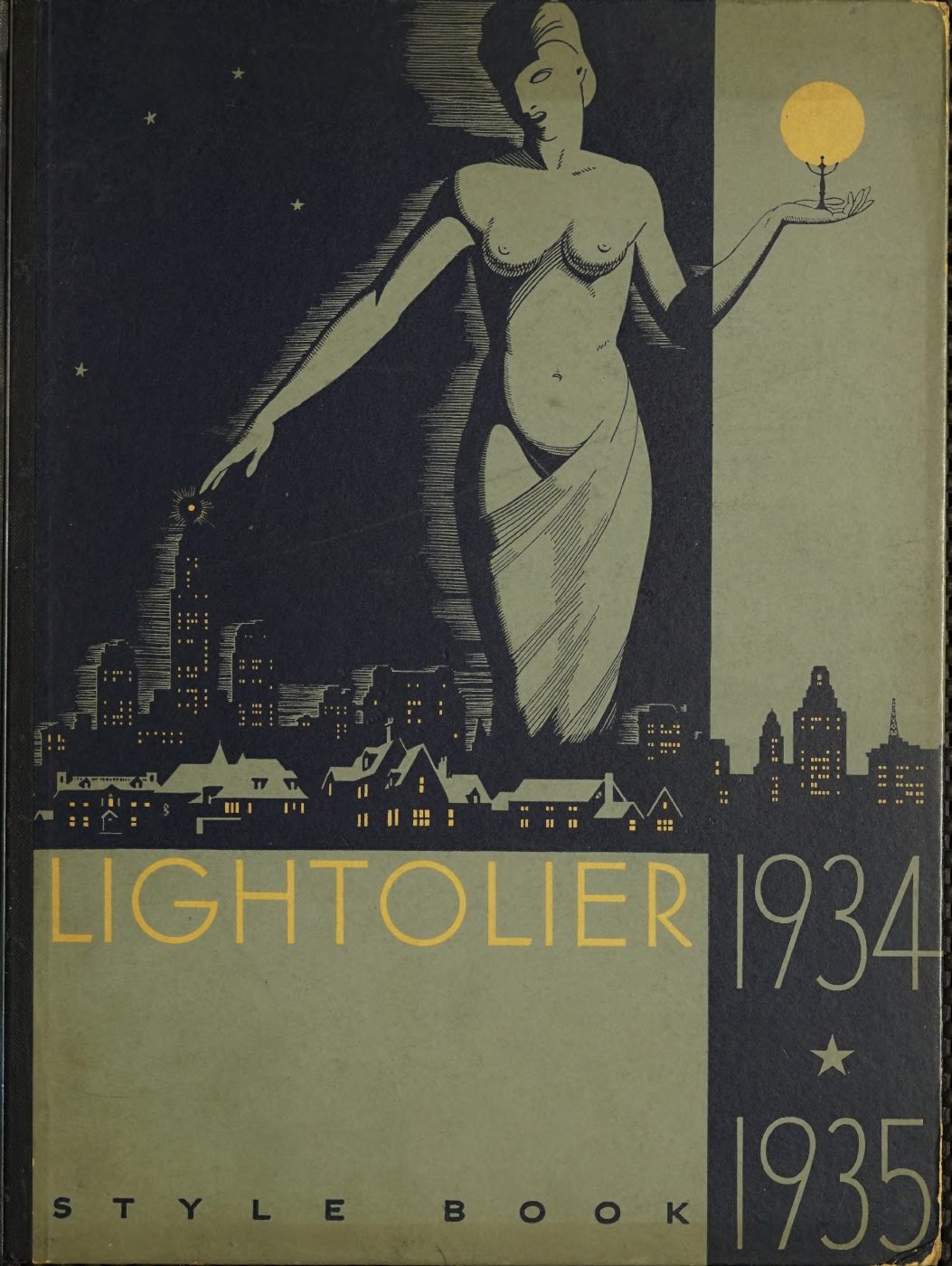
Shop pan & slip-shade fixtures fixtures
All fixtures →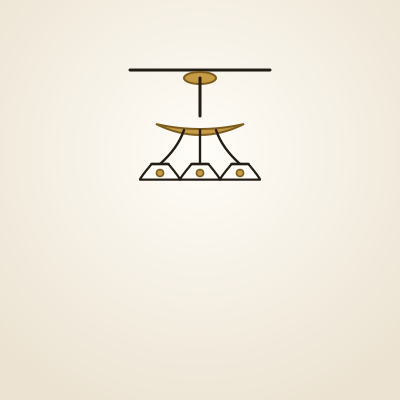
As an Amazon Associate, Old House Lights earns from qualifying purchases. Prices and availability are shown on Amazon and may change.